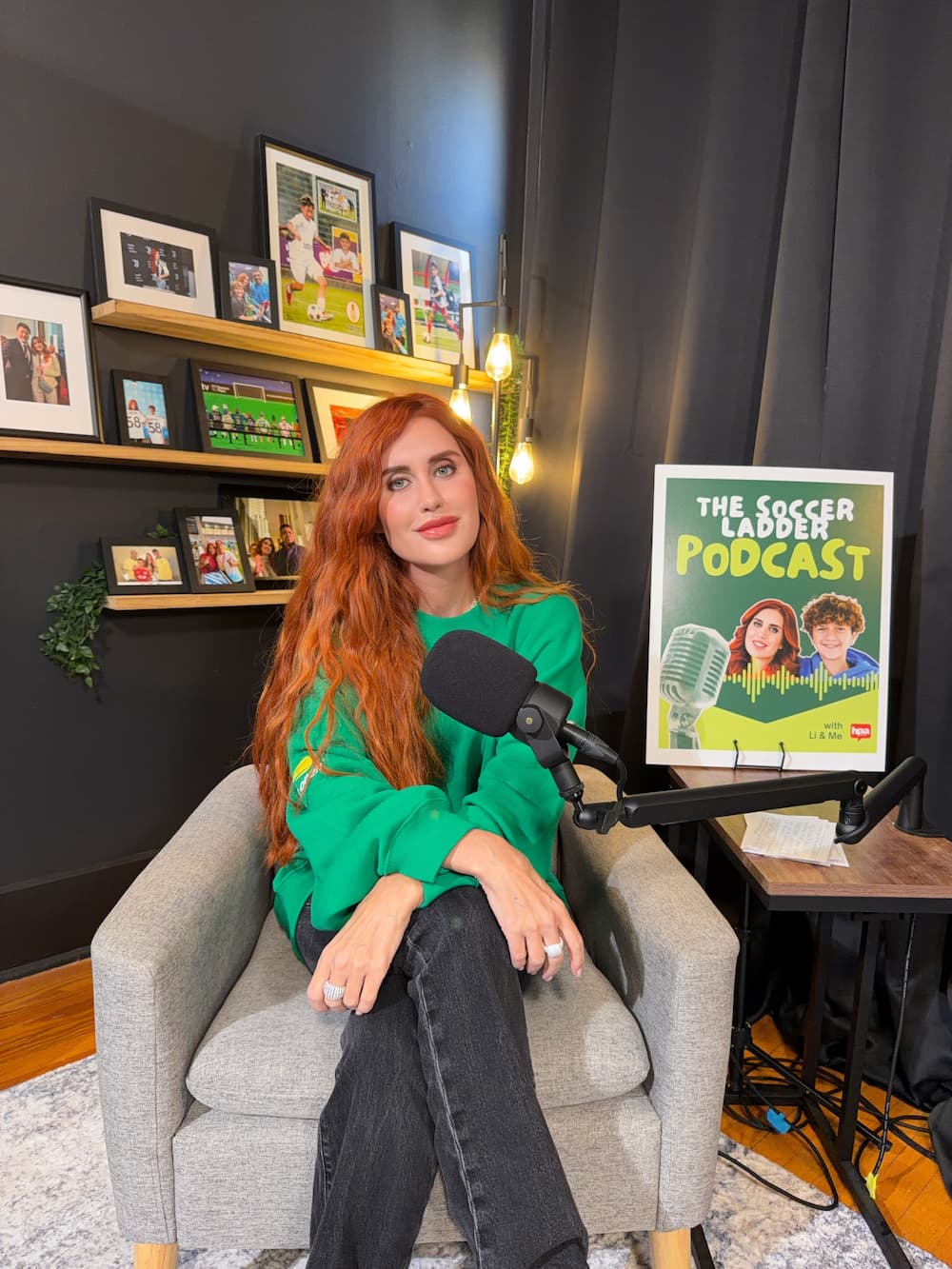
I’m not a former professional soccer player.
I’m a soccer mom.
And right now, I’m a soccer mom experiencing one of the highest levels of the youth soccer pathway in the United States: an MLS Academy.
My son is living the highs and lows of that environment—the training, competition, evaluations, opportunities, setbacks and constant expectation to keep developing.
And I have questions.
A lot of them.
How do you know if your child is actually developing? What should a young player do when they aren’t starting? How do they respond when they’re cut or overlooked? When should a parent advocate for their child, and when do we need to step back and let them work through disappointment?
Those questions are why I started The Soccer Ladder.
I didn’t start a youth soccer podcast because I had all the answers.
I started one because I wanted to ask the people who had actually climbed the ladder.
A Different Seat at the Table
Soccer podcasts have traditionally been dominated by men, often former professional players talking with other former players.
There is enormous value in those conversations.

But my seat is different.
I’m the soccer mom sitting across from the former professional.
I can’t tell a young player what it feels like to become a professional, play in MLS, represent your country or compete at the highest levels of the game.
My guests can.
That’s why I want them sitting across from me.
But after hosting The Soccer Ladder, I’ve realized something else:
I’m a soccer mom experiencing a pathway that many of the former professionals sitting across from me never experienced themselves.
The American youth soccer landscape has changed dramatically.
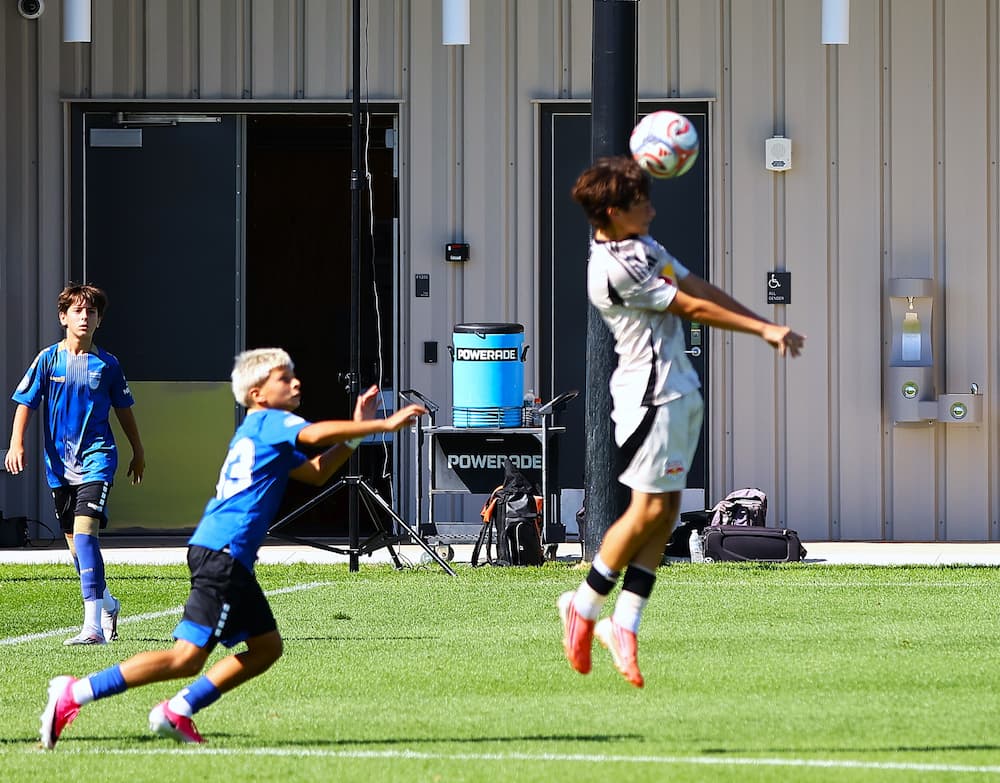
For many former players, today’s MLS Academy system simply didn’t exist when they were young. Some developed through local clubs. Some went to college. Some were part of the U.S. Soccer residency era at IMG Academy in Bradenton. Others found completely different routes to the professional game.
They made it to the top through the pathway available to them.
I’m experiencing today’s pathway from the parent side.
They have expertise I don’t have. I have a perspective they didn’t experience.
And that’s exactly why I think the two belong in the same conversation.
The Questions I’m Living Right Now
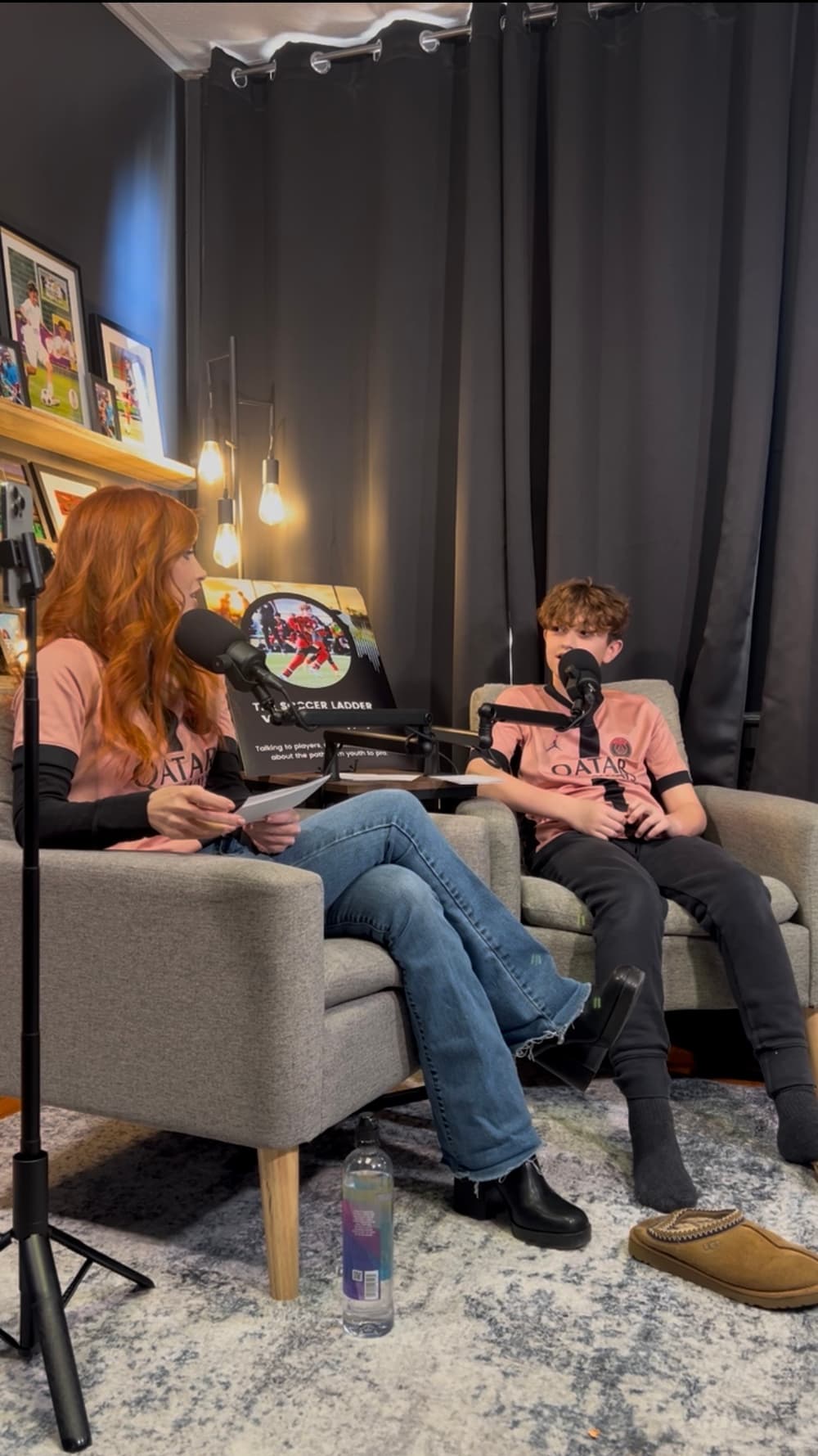
I’m not looking back at what youth soccer felt like 20 years ago.
I’m living it now.
I’m watching the competition increase as the level gets higher. I’m seeing that earning an opportunity doesn’t mean you’ve secured it forever. I’m watching a young player learn to deal with feedback, success, disappointment and uncertainty.
And I’m learning one of the hardest parts of being a sports parent: knowing when to help and when helping too much may actually get in the way.
That’s what I bring into the studio.
These aren’t questions I create because I need something interesting to ask a podcast guest.
They’re questions I’m actually living.
And whether your child plays recreational soccer, club soccer or in an MLS Academy, I think a lot of parents are living some version of them too.
Learning From the People Who Made It
This is where the experience of former professional players becomes so valuable.
They’ve reached the places young players dream about reaching.
But when they come onto The Soccer Ladder, I’m often less interested in the part of their story everyone already knows.
I want to know what happened on the way there.
Were they always one of the best players?
What happened when they weren’t playing?
Were they ever overlooked or cut?
How did they respond to setbacks?
Who believed in them?
What did their parents do well?
What do they wish their parents had done differently?
Those are the lessons I want to bring back to families.
Because a former professional may have learned resilience on the way to playing at the highest level, but resilience matters to the kid trying to earn more minutes on a local team too.
The same is true of confidence, work ethic, handling rejection, being a good teammate and learning how to compete.
The level may be different. Many of the lessons aren’t.
That’s what I want The Soccer Ladder to do: take lessons learned while climbing to the highest levels of the game and make them useful to young players and parents climbing their own version of the ladder.
When Former Players Thank Me
One of the things that has meant the most to me since starting The Soccer Ladder is something I didn’t expect.
Former professional players have thanked me for starting this platform.
That stays with me because I invite these guests onto the show precisely because I respect what they’ve accomplished and what they know.
Their experience is something I could never replicate—and I’m not trying to.
I bring a different perspective.
As a soccer mom living the youth soccer pathway right now, I’m thinking about why an answer matters to the parent or young player listening.
Sometimes that means I’m going to ask a different question than another former player would.
And I’ve come to see that as one of the strengths of The Soccer Ladder.
There Isn’t One Soccer Ladder
The more people I interview, the more obvious something becomes.
There isn’t one way to make it.
Some players were identified early. Others weren’t. Some had relatively straightforward pathways. Others dealt with rejection, injuries, setbacks or major changes in direction.
And the pathway itself keeps changing.
That’s an important message in a youth soccer culture where families are constantly being told what their child needs to do next.
There isn’t one soccer ladder.
There are many.
And not everyone listening is trying to reach the same rung.
A child playing recreational soccer and a player inside an MLS Academy may have completely different soccer goals. But both can learn something from people who have experienced competition, failure, perseverance, pressure and success at the highest levels.
That’s the conversation I wanted when I started the podcast.
It’s still the conversation I want today.
Why I’ll Keep Asking
The Soccer Ladder continues to grow, and so do my questions.
There are more former players I want to learn from, more coaches I want to understand and more experts whose knowledge I want to bring to soccer families.
And as my own son’s journey continues, I’m sure I’ll have plenty more questions myself.
I’ve realized that’s not a weakness.
It’s the reason the podcast exists.
I didn’t start The Soccer Ladder because I knew exactly how to navigate youth soccer.
I started it because I didn’t.
Now I get to sit across from people who climbed their own version of the ladder and ask what the rest of us can learn from their journey.
They have expertise I don’t have. I have a perspective they didn’t experience.
And The Soccer Ladder is where those two perspectives meet.
About Megan Linke
Megan Linke is a soccer media personality, content creator and host of The Soccer Ladder, a youth soccer podcast focused on player development, the player pathway and the questions facing today’s soccer families. As a soccer mom currently navigating the MLS Academy pathway with her son, Megan brings a parent’s perspective to conversations with former professional players, coaches and experts from across the game.
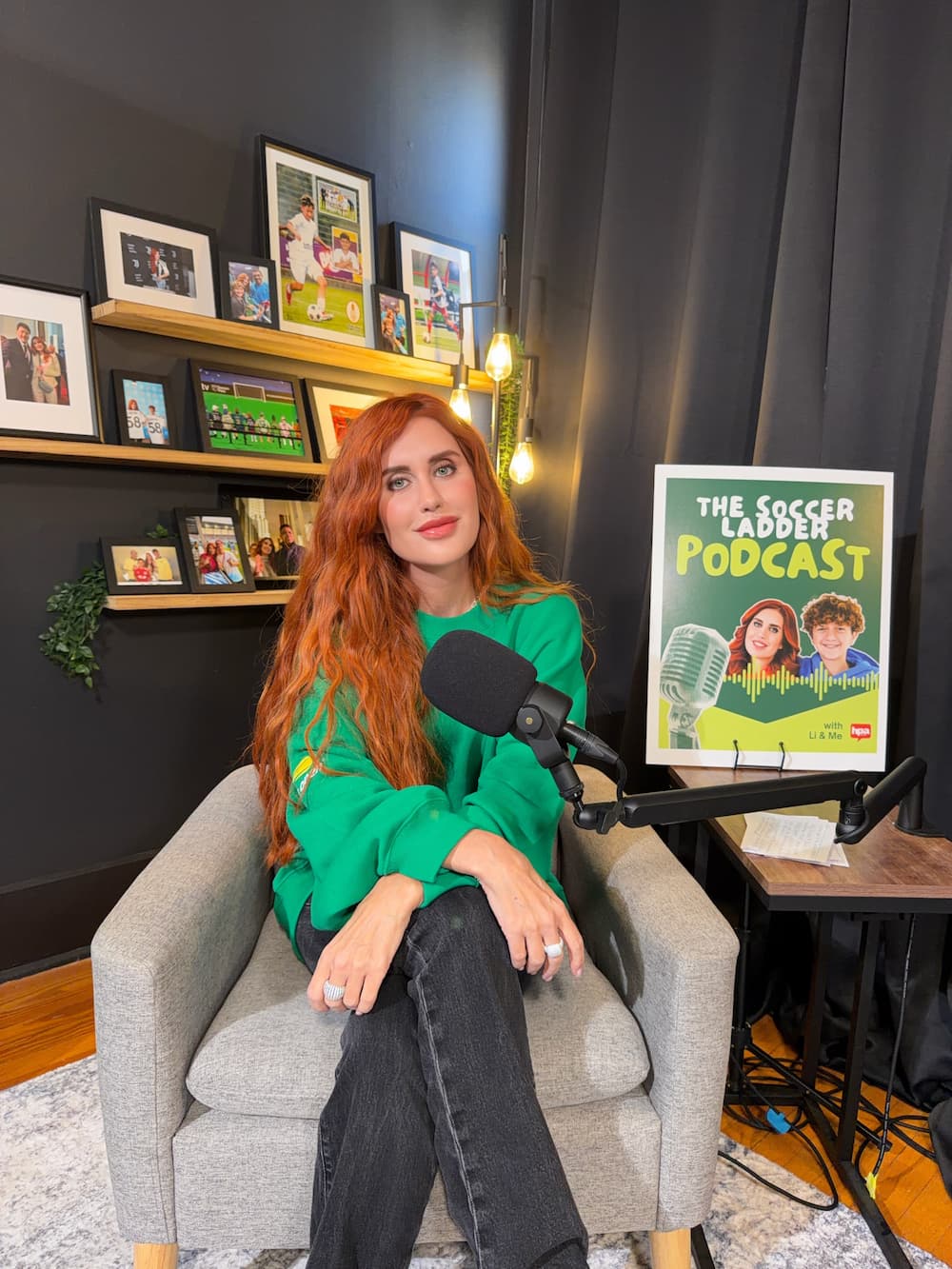 I’m not a former professional soccer player.
I’m a soccer mom.
And right now, I’m a soccer mom experiencing one of the highest levels of the youth soccer pathway in the United States: an MLS Academy.
My son is living the highs and lows of that environment—the training, competition, evaluations, opportunities, setbacks and constant expectation to keep developing.
And I have questions.
A lot of them.
How do you know if your child is actually developing? What should a young player do when they aren’t starting? How do they respond when they’re cut or overlooked? When should a parent advocate for their child, and when do we need to step back and let them work through disappointment?
Those questions are why I started The Soccer Ladder.
I didn’t start a youth soccer podcast because I had all the answers.
I started one because I wanted to ask the people who had actually climbed the ladder.
A Different Seat at the Table
Soccer podcasts have traditionally been dominated by men, often former professional players talking with other former players.
There is enormous value in those conversations.
But my seat is different.
I’m the soccer mom sitting across from the former professional.
I can’t tell a young player what it feels like to become a professional, play in MLS, represent your country or compete at the highest levels of the game.
My guests can.
That’s why I want them sitting across from me.
But after hosting The Soccer Ladder, I’ve realized something else:
I’m a soccer mom experiencing a pathway that many of the former professionals sitting across from me never experienced themselves.
The American youth soccer landscape has changed dramatically.
For many former players, today’s MLS Academy system simply didn’t exist when they were young. Some developed through local clubs. Some went to college. Some were part of the U.S. Soccer residency era at IMG Academy in Bradenton. Others found completely different routes to the professional game.
They made it to the top through the pathway available to them.
I’m experiencing today’s pathway from the parent side.
They have expertise I don’t have. I have a perspective they didn’t experience.
And that’s exactly why I think the two belong in the same conversation.
The Questions I’m Living Right Now
I’m not looking back at what youth soccer felt like 20 years ago.
I’m living it now.
I’m watching the competition increase as the level gets higher. I’m seeing that earning an opportunity doesn’t mean you’ve secured it forever. I’m watching a young player learn to deal with feedback, success, disappointment and uncertainty.
And I’m learning one of the hardest parts of being a sports parent: knowing when to help and when helping too much may actually get in the way.
That’s what I bring into the studio.
These aren’t questions I create because I need something interesting to ask a podcast guest.
They’re questions I’m actually living.
And whether your child plays recreational soccer, club soccer or in an MLS Academy, I think a lot of parents are living some version of them too.
Learning From the People Who Made It
This is where the experience of former professional players becomes so valuable.
They’ve reached the places young players dream about reaching.
But when they come onto The Soccer Ladder, I’m often less interested in the part of their story everyone already knows.
I want to know what happened on the way there.
Were they always one of the best players?
What happened when they weren’t playing?
Were they ever overlooked or cut?
How did they respond to setbacks?
Who believed in them?
What did their parents do well?
What do they wish their parents had done differently?
Those are the lessons I want to bring back to families.
Because a former professional may have learned resilience on the way to playing at the highest level, but resilience matters to the kid trying to earn more minutes on a local team too.
The same is true of confidence, work ethic, handling rejection, being a good teammate and learning how to compete.
The level may be different. Many of the lessons aren’t.
That’s what I want The Soccer Ladder to do: take lessons learned while climbing to the highest levels of the game and make them useful to young players and parents climbing their own version of the ladder.
When Former Players Thank Me
One of the things that has meant the most to me since starting The Soccer Ladder is something I didn’t expect.
Former professional players have thanked me for starting this platform.
That stays with me because I invite these guests onto the show precisely because I respect what they’ve accomplished and what they know.
Their experience is something I could never replicate—and I’m not trying to.
I bring a different perspective.
As a soccer mom living the youth soccer pathway right now, I’m thinking about why an answer matters to the parent or young player listening.
Sometimes that means I’m going to ask a different question than another former player would.
And I’ve come to see that as one of the strengths of The Soccer Ladder.
There Isn’t One Soccer Ladder
The more people I interview, the more obvious something becomes.
There isn’t one way to make it.
Some players were identified early. Others weren’t. Some had relatively straightforward pathways. Others dealt with rejection, injuries, setbacks or major changes in direction.
And the pathway itself keeps changing.
That’s an important message in a youth soccer culture where families are constantly being told what their child needs to do next.
There isn’t one soccer ladder.
There are many.
And not everyone listening is trying to reach the same rung.
A child playing recreational soccer and a player inside an MLS Academy may have completely different soccer goals. But both can learn something from people who have experienced competition, failure, perseverance, pressure and success at the highest levels.
That’s the conversation I wanted when I started the podcast.
It’s still the conversation I want today.
Why I’ll Keep Asking
The Soccer Ladder continues to grow, and so do my questions.
There are more former players I want to learn from, more coaches I want to understand and more experts whose knowledge I want to bring to soccer families.
And as my own son’s journey continues, I’m sure I’ll have plenty more questions myself.
I’ve realized that’s not a weakness.
It’s the reason the podcast exists.
I didn’t start The Soccer Ladder because I knew exactly how to navigate youth soccer.
I started it because I didn’t.
Now I get to sit across from people who climbed their own version of the ladder and ask what the rest of us can learn from their journey.
They have expertise I don’t have. I have a perspective they didn’t experience.
And The Soccer Ladder is where those two perspectives meet.
About Megan Linke
Megan Linke is a soccer media personality, content creator and host of The Soccer Ladder, a youth soccer podcast focused on player development, the player pathway and the questions facing today’s soccer families. As a soccer mom currently navigating the MLS Academy pathway with her son, Megan brings a parent’s perspective to conversations with former professional players, coaches and experts from across the game.